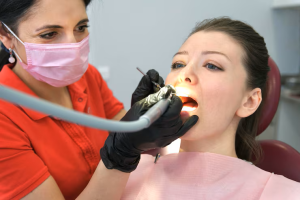


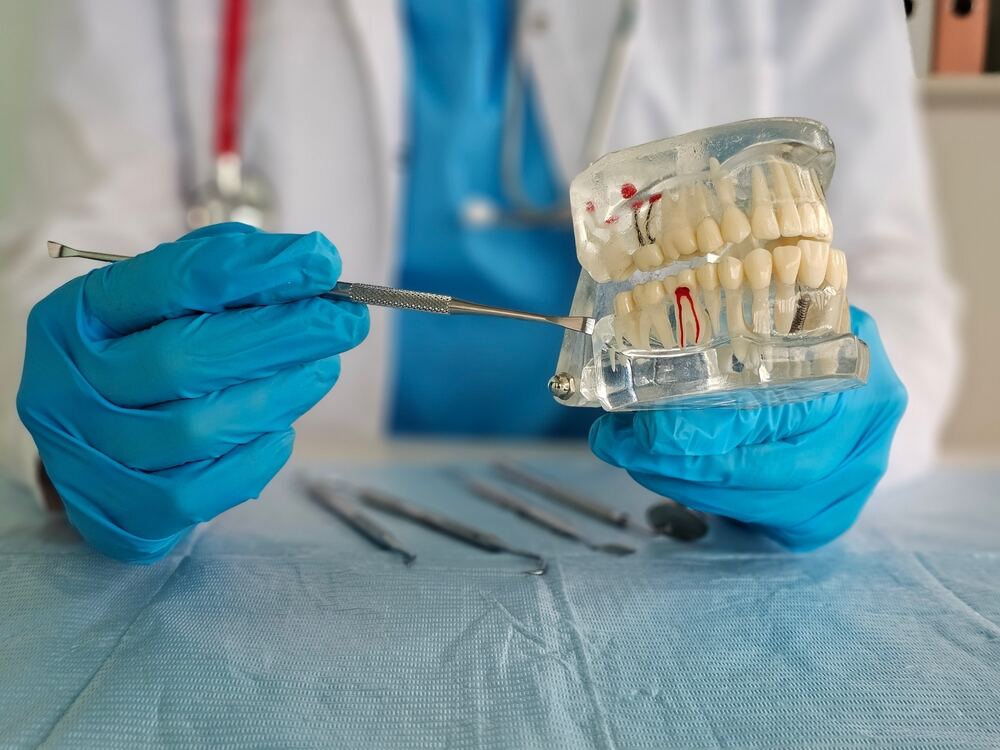
When is it too late for a root canal, and is there still a chance to save the tooth? Many people with constant tooth pain wonder about this when deciding on treatment. It is important to understand when a root canal is not possible, especially in cases where the infection or damage inside the tooth has become too severe for the treatment to work.
A root canal is done to remove infection and save your natural tooth, but sometimes the damage can be too much to fix. Knowing the early warning signs and getting treatment on time can help save your tooth and avoid more complicated dental treatments later.
What is a Root Canal and When is it Needed?
A root canal is a treatment used to remove infection from inside a tooth and protect it from further damage. It helps save the natural tooth instead of removing it.
Patients often consider root canal therapy in Coral Gables, FL when they experience pain, swelling, or sensitivity that does not go away. This treatment works best when the tooth structure is still strong enough to be restored.
When Root Canal is Not Possible
There are situations where a root canal may no longer be an effective option. This usually happens when the tooth is too damaged or the infection has spread too far.
A root canal may not be possible if:
- The tooth is severely broken or cracked below the gum line.
- There is very little healthy tooth structure left.
- Infection has spread deeply into the bone.
- The tooth is extremely loose due to bone loss.
- Previous root canal treatment has failed beyond repair.
In these cases, removing the tooth may be the safer option.
Signs Tooth Extraction Needed
Knowing the signs that a tooth may need to be removed can help you act early before the problem gets worse.
Common signs include:
- Strong and ongoing tooth pain
- Swelling in your gums or face
- Pus or infection
- Trouble chewing or biting
- A loose or broken tooth
- Bad taste or smell in the area
If you have these signs, a dentist may suggest removing the tooth instead of doing a root canal.
Why Timing Matters in Root Canal Treatment
Timing plays an important role in saving a tooth. The earlier the infection is treated, the higher the chances of saving the tooth with a root canal.
Delaying treatment can lead to:
- Spread of infection to surrounding areas
- Increased pain and discomfort
- Greater damage to tooth structure
- Higher risk of tooth loss
- More complex and costly treatment
Seeking care early improves the chances of successful treatment.
Can a Tooth Always Be Saved?
Not all teeth can be saved, especially if the damage is too advanced. A dentist will carefully examine the tooth to decide if a root canal is still possible.
In many cases, teeth can still be treated if:
- Enough healthy structure remains.
- The infection is limited.
- The tooth can support a crown after treatment.
If these conditions are not met, other options may be recommended.
Treatment Options if a Root Canal is Too Late
If a root canal cannot be done, the dentist may suggest other treatments to keep your mouth healthy.
These may include:
- Removing the tooth to stop the infection
- Getting a dental implant to replace the missing tooth
- Bridges or partial dentures
- Bone support treatments, if needed
A dental office in Coral Gables can guide patients through these options and help choose the best solution.
How to Avoid Losing a Tooth
Preventing serious damage is the best way to avoid losing a tooth. Regular dental care and early treatment are very important.
Helpful tips include:
- Visit a dentist near you regularly
- Do not ignore tooth pain or sensitivity.
- Keep your teeth clean with good habits
- Do not delay dental treatment.
- Treat small cavities early
These simple steps can help save your natural teeth and lower the need for tooth removal.
Early Warning Signs That Need Attention
It is important to notice early signs before the problem becomes serious.
Watch for:
- Mild but ongoing tooth pain
- Sensitivity to hot or cold foods and drinks
- Swollen or red gums
- Small cracks or chips in teeth
- Discomfort while chewing
Early care can often prevent the need for more serious treatment.
Get the Right Solution for Your Tooth at the Right Time!
Taking action at the right time can make a big difference in saving your smile and avoiding further discomfort. If you need clear advice and reliable treatment options, Gables Sedation and Family Dentistry is ready to guide you with care designed to restore comfort, protect your oral health, and support a healthier, pain-free smile. Book your visit now!
FAQs
Can a root canal fail over time?
Yes, sometimes a treated tooth can get infected again if bacteria enter the tooth or if it is not fixed properly.
Is extraction always better than a failed root canal?
No, not always. Dentists try to save the tooth first, but they may suggest removing it if the damage is too serious.
How do dentists decide if a tooth can be saved?
They check the tooth structure, level of infection, and bone support before deciding on treatment.
Can antibiotics replace a root canal?
No, antibiotics may reduce infection temporarily, but they do not remove the source of the problem inside the tooth.