

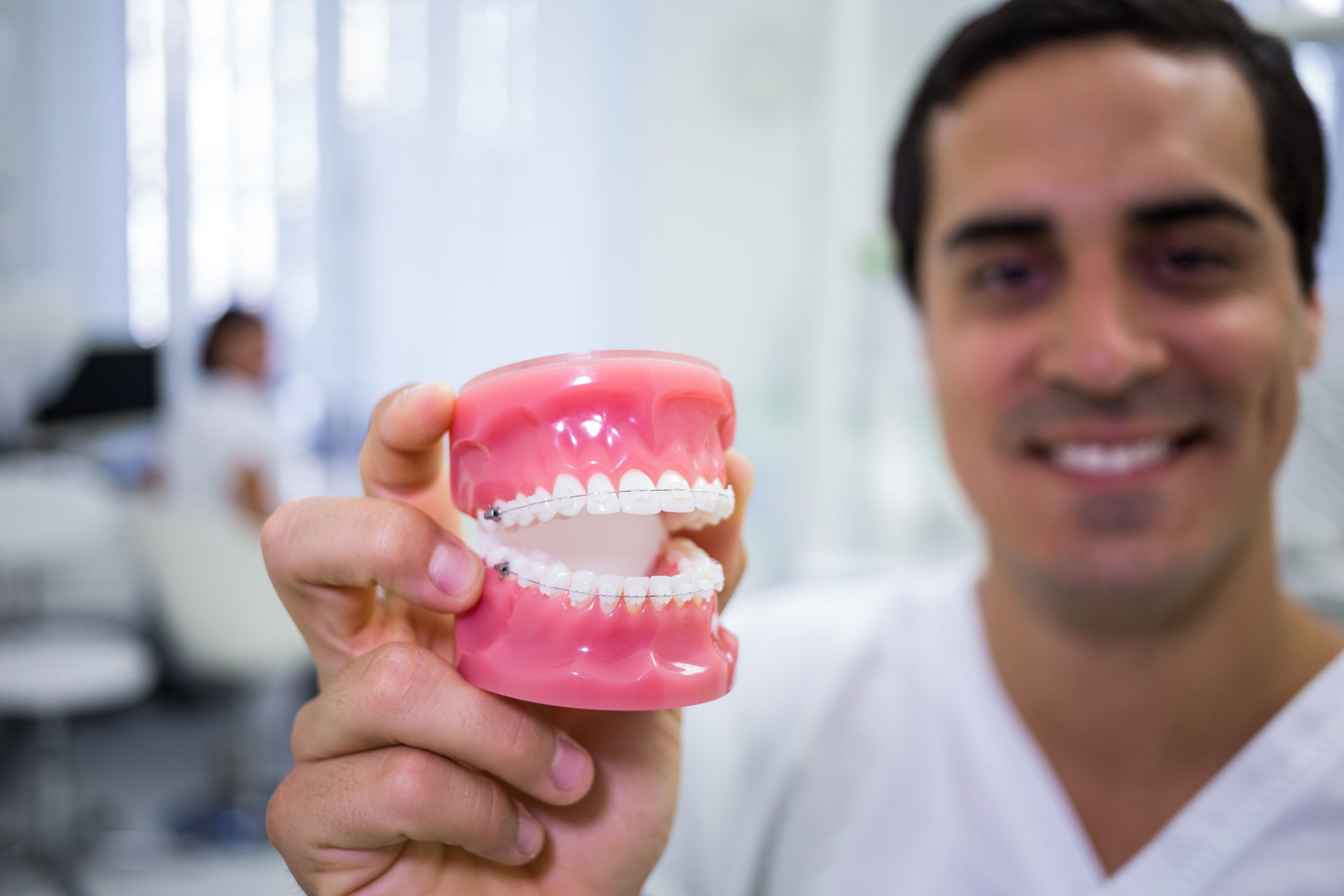
Getting used to a new set of dentures takes time, patience, and a few smart habits. Many people struggle at the beginning, but with the right, comfortable denture tips, the journey becomes much easier. Whether you are new to dentures or have been wearing them for years, small changes in your daily routine can make a big difference in how they feel and function.
Give Yourself Time to Adjust
One of the most important things to understand is how to adjust to dentures. Your mouth needs time to get used to a foreign object. During the first few weeks, it is completely normal to feel some soreness or discomfort. Your gums may feel tender, and you might notice increased saliva production. These are all signs that your mouth is adapting.
Start by wearing your dentures for shorter periods each day, gradually increasing the time you wear them. Do not force yourself to wear them all day right away. Your mouth muscles, including your cheeks and tongue, need to learn how to work with the new teeth.
Denture Adjustment Timeline
Here is a general idea of what to expect during the adjustment period:
| Week | What You Might Feel | What to Do |
| Week 1 | Soreness, extra saliva, speech changes | Wear dentures for a few hours daily |
| Week 2 | Mild irritation, some slipping | Practice talking, rinse after meals |
| Week 3–4 | Improving fit and speech | Increase wear time gradually |
| Month 2+ | Near-normal function | Visit a dentist if discomfort persists |
Eat the Right Foods at the Right Time
When you first start wearing dentures, stick to soft foods. Mashed potatoes, yogurt, soup, eggs, and steamed vegetables are all great options. As you get more comfortable, slowly reintroduce harder foods. Cut food into smaller pieces and chew on both sides of your mouth to keep dentures balanced and stable.
Avoid very sticky foods like caramel or hard items like nuts and raw carrots until you have fully adjusted. These can shift your dentures and irritate.
Keep Your Dentures Clean Every Day
Maintaining clean dentures is not just about hygiene — it also affects how comfortable they feel. Bacteria and plaque build-up can cause gum irritation and bad breath. Here is a simple cleaning routine to follow:
- Remove and rinse your dentures after every meal
- Brush them gently with a soft denture brush and non-abrasive cleanser
- Soak them overnight in a denture cleaning solution or plain water
- Clean your gums, tongue, and palate with a soft brush before putting dentures back in
Never use regular toothpaste on dentures — it is too abrasive and can scratch the surface, making it easier for bacteria to cling on.
Use Denture Adhesives Wisely
Denture adhesives can help improve the fit and stability of your dentures, especially during the early adjustment phase. They work by filling in the small gaps between the denture and your gums, which reduces movement when you eat or speak.
However, adhesives are meant to be a temporary helper — not a permanent fix. If you find yourself relying on them too heavily, it may be a sign that your dentures need relining or replacement. In that case, it is a good idea to visit a dentist near you for a professional evaluation.
Handle Soreness and Sore Spots
Some degree of soreness is normal, especially in the first few weeks. Here are ways to ease the discomfort:
- Rinse your mouth with warm salt water two to three times a day
- Remove your dentures for a few hours if the pain becomes intense
- Apply a small amount of oral anesthetic gel to sore spots for temporary relief
- Never try to adjust or reshape your dentures at home
If sore spots do not improve after a week or two, it is best to schedule a check-up. Persistent discomfort often means the dentures need a minor adjustment that only a dental professional can make.
Practice Speaking Out Loud
Many people are surprised by how much dentures affect their speech at first. You may notice a lisp or difficulty saying certain sounds. This is temporary. The best remedy is practice.
Read aloud for a few minutes each day. Try repeating tricky words or phrases. Over time, your tongue and lips will naturally adjust to working with your new dentures. Singing along to your favourite songs is also surprisingly effective!
Schedule Regular Dental Check-Ups
Your mouth changes over time. As you age, your gums and jawbone naturally shrink, which can affect how well your dentures fit. A loose fit leads to rubbing, soreness, and difficulty eating. Regular visits to a dental office in Coral Gables ensure that your dentures are always properly adjusted to your changing mouth.
Even if you wear full dentures and have no natural teeth left, dental visits are still essential. Your dentist will check the health of your gums, oral tissues, and jawbone, and screen for signs of oral cancer. At our office, we proudly offer high-quality dentures in Coral Gables to help restore your smile and confidence.
Conclusion
Adjusting to dentures is a journey, but it does not have to be difficult. With the right habits, proper cleaning, and a little patience, you can enjoy a comfortable and confident smile every day.
If you are experiencing discomfort or seeking expert guidance on denture care, Gables Sedation and Family Dentistry is here to help. Our caring team in Coral Gables provides personalized dental solutions to keep your smile healthy and pain-free. Book an appointment today and take the first step towards a more comfortable smile.
Frequently Asked Questions
1. How long does it take to feel comfortable with dentures?
Most people start to feel comfortable within four to eight weeks. Full adjustment can take up to three months. Patience and consistent wear are key.
2. Can I sleep with my dentures in?
It is generally recommended to remove your dentures at night. This gives your gums time to rest and recover. Soaking them overnight also helps maintain their shape.
3. What should I do if my dentures feel loose?
Loose-fitting dentures can cause sores and make eating difficult. If you are looking for dentures near you in Coral Gables, visiting a local dentist for a reline or replacement is the best option. Do not try to adjust them yourself.
4. Are there foods I should avoid with dentures?
Yes. Avoid sticky candies, hard nuts, raw carrots, crusty bread, and chewing gum. These can dislodge or damage your dentures.
5. How often should I get my dentures checked?
At least once a year. Your dentist will check the fit, condition, and your overall oral health during these visits.