


The GV Black cavity classification system groups cavities based on where tooth decay appears. It has six types, called Class I to Class VI. Each type describes a different part of the tooth where decay can develop. This system helps dentists identify the location of a cavity and decide how to treat it. Knowing about the GV Black cavity classification can help you understand your dental care. It is a simple way to show where a cavity is found on a tooth.
For example, a cavity in the grooves of a back tooth is classified differently from one near the gums or on the edge of a front tooth. Depending on the size and location of the cavity, tooth-colored fillings in Coral Gables may help restore the damaged tooth to its normal shape and function.
What Are the Six Classes of Dental Cavities?
The six classes of cavities are based on the location of decay on the tooth. Each class has a specific area that helps guide dental care.
Class I: Cavities in Pits and Grooves
Class I cavities develop in the small pits and grooves found on the chewing surfaces of back teeth. They can also occur in certain grooves on the inside surfaces of front teeth.
Food and bacteria can collect in these areas, making them more likely to develop decay. A small cavity may be treated with a filling, while early decay without a hole may sometimes be managed with preventive care.
Class II: Cavities Between Back Teeth
Class II cavities form on the sides of back teeth, such as premolars and molars, where the teeth touch each other. These areas can be hard to clean with a toothbrush alone.
Dental floss helps remove food and plaque stuck between teeth. If decay causes a hole in the tooth, a filling may be needed to fix it.
Class III: Cavities Between Front Teeth
Class III cavities form on the sides of front teeth but do not affect the biting edges. They may change the appearance of your smile, especially when decay is visible.
Treatment often focuses on removing decay while keeping as much healthy tooth structure as possible.
Class IV: Cavities Between Front Teeth Involving the Edge
Class IV cavities affect the sides of front teeth and extend to the biting or cutting edge. These cavities may occur because of decay or damage to the tooth.
A filling may restore the missing area, but larger cavities may need a different type of restoration based on the amount of tooth structure remaining.
Class V: Cavities Near the Gumline
Class V cavities develop near the gumline on the front or back surface of a tooth. They may affect both front and back teeth.
Gum recession, plaque buildup, and other factors can contribute to decay in this area. Sensitivity may occur when the cavity exposes the inner layers of the tooth.
Class VI: Cavities on Tooth Tips or Edges
Class VI cavities affect the pointed tips of back teeth or the cutting edges of front teeth. These areas can wear down over time and may become damaged.
Treatment depends on the size of the affected area and the amount of healthy tooth structure left.
What Does Cavity Class 1, 2, or 3 Mean?
The first three classes describe where tooth decay is found:
- Class I: Decay in the small grooves and pits, usually on the chewing surfaces of back teeth.
- Class II: Decay between the back teeth.
- Class III: Decay between front teeth without reaching the cutting edge.
These labels describe where the cavity is located, not how deep or serious it is. A small Class II cavity may need less treatment than a large Class I cavity. The dentist must examine the tooth to determine the extent of the damage.
How Does Cavity Classification Help Choose a Filling?
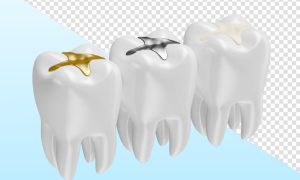
The cavity class helps identify the affected area, but it does not decide the filling material on its own. Other factors, such as cavity size, tooth position, chewing pressure, and appearance, also matter.
Tooth-colored fillings in Coral Gables may be suitable for many cavities. These fillings are made from a material that can be matched to the natural shade of the tooth.
A dental office in Coral Gables can assess the cavity and discuss suitable treatment. The choice may depend on:
- The location and size of the cavity.
- How much healthy tooth structure remains.
- Whether the tooth is a front or back tooth.
- The amount of pressure the tooth handles while chewing.
- The patient’s dental needs and preferences.
Not every early area of decay needs a filling. If the tooth has not developed a hole, fluoride treatment, better cleaning habits, or other preventive steps may help in some cases.
Can Cavity Classes Be Prevented?
Good daily habits can help prevent tooth decay, no matter where it starts on the tooth.
- Brush your teeth twice a day with fluoride toothpaste.
- Clean between your teeth every day using dental floss or other cleaning tools.
- Try to eat fewer sugary snacks and drink fewer sugary drinks.
- Drink water regularly.
- Attend routine dental checkups.
- Ask about dental sealants for children when suitable.
If you notice tooth sensitivity, dark spots, or pain while chewing, arrange an examination. A dental office near you can check the affected tooth and explain whether treatment is needed.
Get the Right Care for Your Cavity
Understanding the location of a cavity is an important part of planning suitable treatment. Contact Gables Sedation and Family Dentistry to arrange an examination, discuss any signs of tooth decay, and learn about available filling options. Schedule an appointment to have your teeth checked and receive guidance on the care they need.
FAQs
What are the 6 classes of cavities?
The six classes describe where a cavity is found on a tooth. Class I affects the small grooves of a tooth. Class II affects the sides of back teeth. Class III affects the sides of front teeth but not the biting edge. Class IV affects the sides and biting edges of front teeth. Class V occurs near the gumline, while Class VI affects the tips or biting edges of teeth.
How does a dentist choose the right filling for each class of cavity?
The dentist looks at the size and location of the cavity, how much of the tooth is still healthy, and how much pressure the tooth gets when chewing. The dentist also considers how the filling will look. The cavity class indicates where the decay is, but it does not determine which filling material must be used.
Is a Class 1 or Class 2 cavity worse?
Neither class is automatically worse. Class I and Class II describe different locations. The depth and size of the decay determine how much treatment may be needed.
Do all cavity classes need a filling?
No. Not every cavity needs a filling. If tooth decay is found early and there is no hole in the tooth, fluoride and good brushing may help stop it from getting worse. A filling is usually needed when decay causes a hole in the tooth that cannot be fixed on its own.
What is the difference between pit and fissure cavities and smooth surface cavities?
Pit and fissure cavities form in the small grooves of teeth, usually on the chewing surfaces of back teeth. Smooth-surface cavities form on the flatter parts of teeth, such as between teeth or near the gums.